


Lanzarote, with its volcanic landscapes and dramatic coastlines, is home to several iconic lighthouses that not only guide sailors, but also bear witness to the island’s rich maritime history.
These lighthouses, located in some of the most impressive corners of Lanzarote, offer spectacular views and a deep connection to the maritime past of the Canary Islands.
Here is a complete guide to the most outstanding lighthouses in Lanzarote.
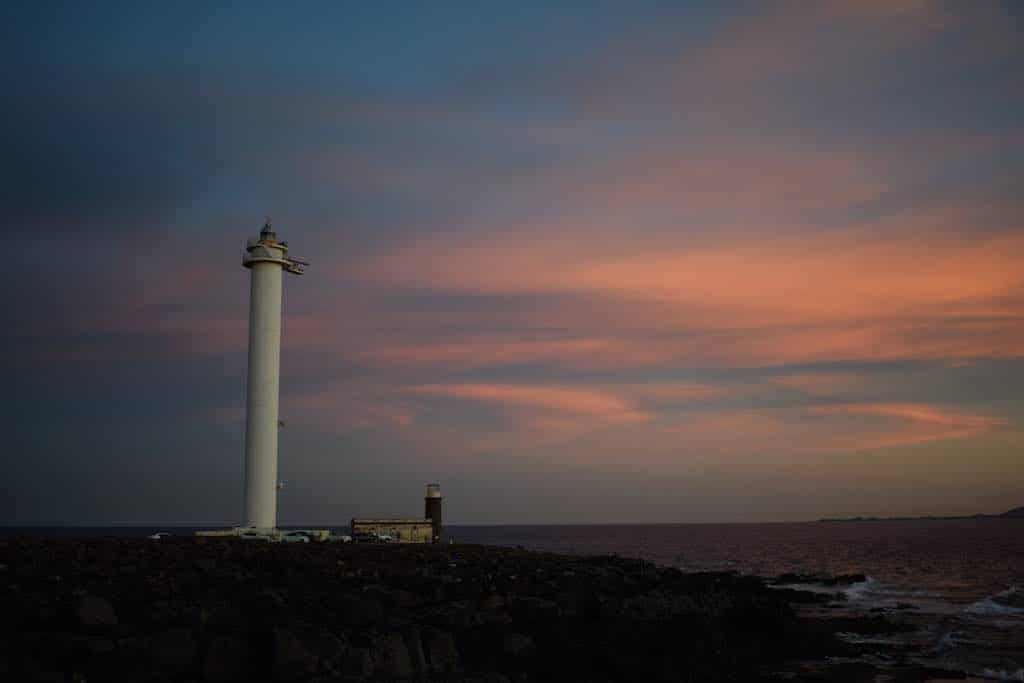
Location: Punta Pechiguera, in the southwest of the island, near Playa Blanca.
Description: The Pechiguera Lighthouse is one of the most iconic lighthouses in Lanzarote.
Originally built in 1866, it was replaced by a modern structure in 1986, which rises to 50 meters above sea level.
The lighthouse marks the southernmost point of Lanzarote and offers spectacular views of the Strait of La Bocaina, which separates Lanzarote from Fuerteventura.
What to see: The lighthouse setting is ideal for leisurely sunset walks, with panoramic views of the ocean and the mountains of Fuerteventura on clear days.
The ruins of the old lighthouse can still be seen near the new one.
Punta Delgada Lighthouse (La Graciosa Lighthouse)
Location: Island of La Graciosa, in the far north of Lanzarote.
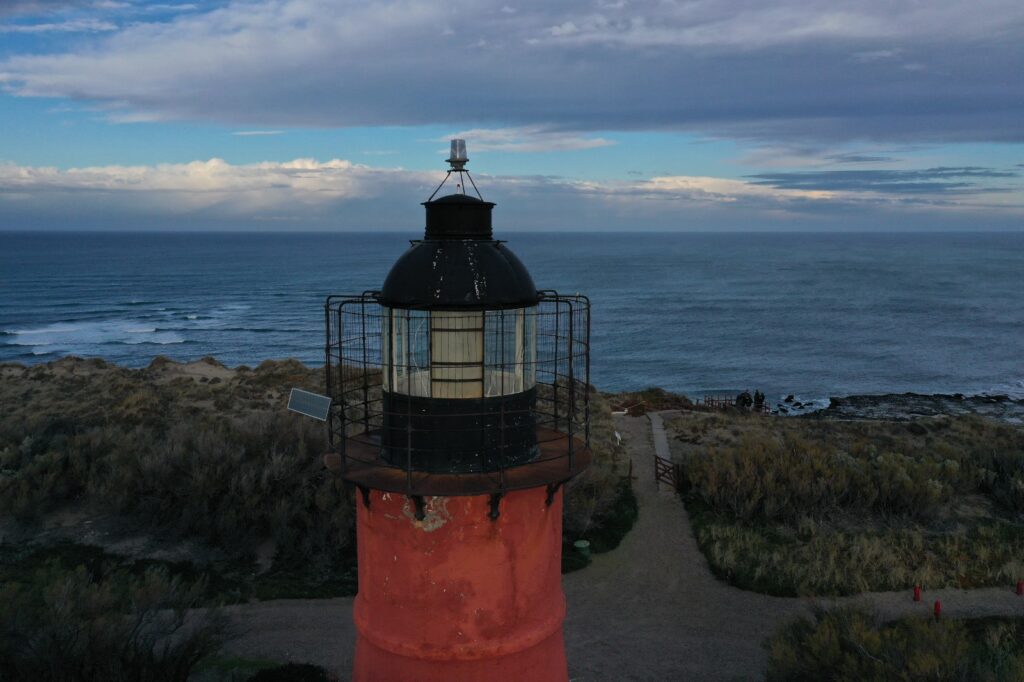
Description: Located on the neighbouring island of La Graciosa, the Punta Delgada Lighthouse is a historic lighthouse that is set in an environment of outstanding natural beauty.
Built in 1865, this lighthouse is one of the oldest in the region and is still in operation today.
Its remote location and seclusion make it a perfect place for lovers of tranquility and nature.
What to see: The lighthouse offers breathtaking views of the cliffs of Famara in Lanzarote and the vast Atlantic.
The hike to the lighthouse is an adventure in itself, traversing volcanic landscapes and pristine beaches.
Punta Martiño Lighthouse
Location: Isla de Lobos, visible from the north of Lanzarote.
Description: Although it belongs to Fuerteventura, the Punta Martiño Lighthouse on the Island of Lobos is visible from Lanzarote and is a fascinating lighthouse for those exploring the area.
Built in 1865, this lighthouse is located on an uninhabited islet and is a popular destination for day trips from Lanzarote.
What to see: A visit to the lighthouse is an opportunity to explore Isla de Lobos, with its unspoiled nature, white sandy beaches, and abundant marine life.
The view from the lighthouse covers both Fuerteventura and Lanzarote, offering an exceptional panorama.
Punta Fariones Lighthouse
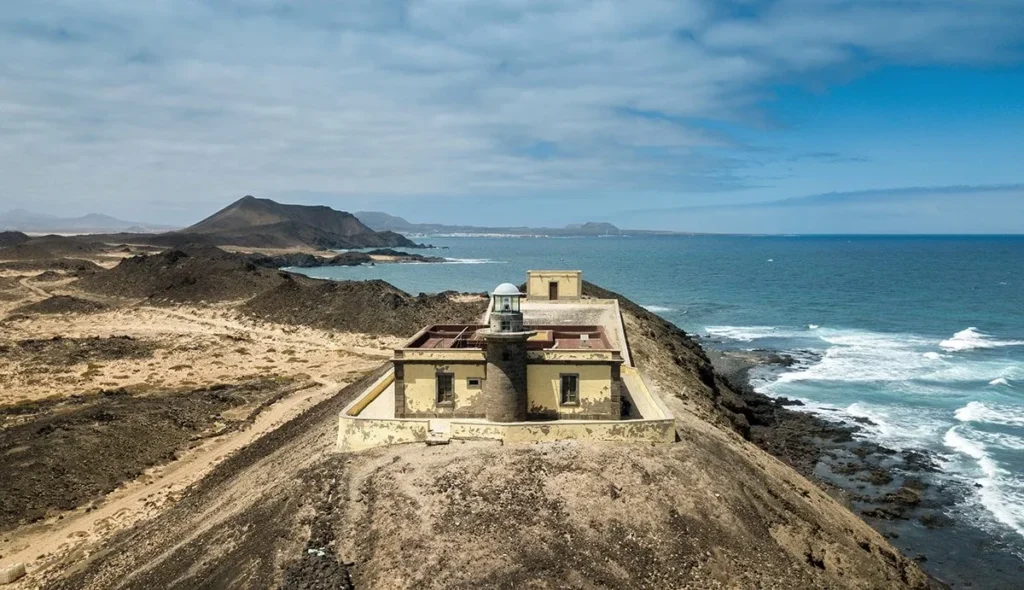
Location: Far north of Lanzarote, in the area of Los Fariones.
Description: This lighthouse is located at the northernmost point of Lanzarote, in a place where the island faces the open Atlantic Ocean.
The Punta Fariones Lighthouse was built in 1964 and, although it is more recent, its location makes it a lighthouse of great importance for navigation.
What to see: From the lighthouse, you can admire the views towards La Graciosa and the Strait of El Río, one of the most dramatic landscapes on the island.
The area is also an excellent place for seabird watching.
Arrecife Lighthouse
Location: Near the port of Arrecife, the capital of Lanzarote.
Description: The Arrecife Lighthouse is one of the urban lighthouses in Lanzarote, located in the vicinity of the port.
Although it is not as spectacular as the other lighthouses in terms of location, it is an important landmark for the island’s maritime history.
What to see: The lighthouse is an integral part of Arrecife’s port life and an interesting place to visit if you find yourself exploring the capital.
In addition, the port offers a variety of restaurants and shops to complement the visit.
Not only do Lanzarote’s lighthouses guide sailors through the dangerous waters surrounding the island, but they also offer visitors the opportunity to connect with the region’s history and nature.
From the breathtaking views to the maritime history they represent, these lighthouses are a must-see for any lover of Canarian culture and landscape.
Exploring them is a unique way to discover the essence of Lanzarote, an island where land and sea meet in harmony.


